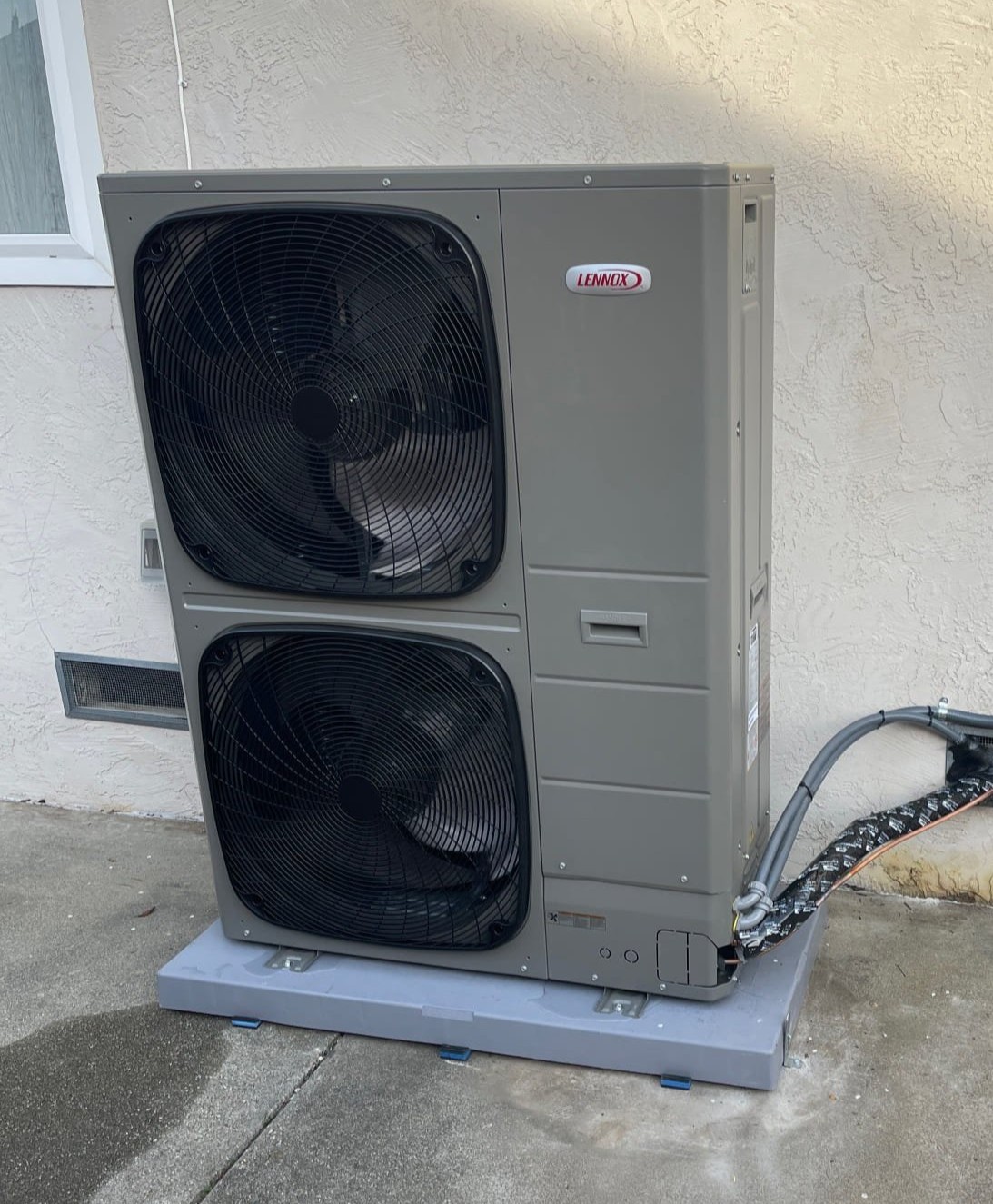
Your Heat Pump Is Trying to Tell You Something
Heat pumps are quietly one of the smartest HVAC investments you can make as a Pleasanton homeowner. They heat in winter, cool in summer, and in our mild Bay Area climate, they do it efficiently year-round. But they are still mechanical systems, and at some point, every one of them needs attention.
The tricky part is knowing what kind. A well-meaning contractor might steer you toward a full replacement when a repair would actually solve the problem. Or you end up patching an aging unit over and over, and eventually spend more than a new system would have cost. Neither outcome is great. Here is how to think through it.
Signs Your Heat Pump Needs Repair
Not every symptom means you need a new system. A lot of issues are straightforward repairs, and catching them early usually keeps costs down.
Grinding, rattling, or squealing noises are worth paying attention to. They typically point to something mechanical, like a failing motor or a component that has come loose. Reduced airflow is another one to watch. It could be something simple like a clogged filter, or something more involved like a failing blower. If your system is short-cycling (turning on and off every few minutes), that is usually a sign of a refrigerant issue or a thermostat problem.
Ice buildup gets misread a lot. A little frost on the outdoor unit in winter? Normal. Heavy ice accumulation is not, and it means something is off. And if your energy bills have jumped without any real change in how you are using the system, the unit is working harder than it should to keep up.
Generally speaking, if your heat pump is under 10 years old and the repair is reasonably priced, fixing it makes sense. A good HVAC technician can diagnose it and give you a straight answer.
When Replacement Makes More Sense
Heat pumps typically last 12 to 16 years with decent maintenance. Once you are getting close to that window, the math starts to change. A common rule of thumb: if the repair cost is more than 50% of what a new system would run you, and the unit is already over 10 years old, replacement is usually the better call.
Age and cost are not the only factors, though. A few other situations where replacement makes sense in Pleasanton: your system still runs on R-22 refrigerant, which was phased out and has gotten expensive to source. Efficiency has dropped noticeably over the years. You are adding square footage and the current system cannot handle the load. Or you want to take advantage of the federal tax credits available right now for high-efficiency heat pump installation.
Modern heat pumps, particularly Lennox variable-speed systems, are a significant step up from units installed even five years ago. In a climate like ours, the efficiency gains can add up faster than most people expect.
What a Good Heat Pump Installation Actually Involves
If you do go the replacement route, installation quality matters a lot. A proper job starts with a Manual J load calculation to make sure the new system is actually sized for your home. From there it is refrigerant line work, electrical connections, and thorough commissioning to confirm everything is performing at spec. Skipping the load calc or rushing the install is how you end up with a brand-new system that still does not keep the house comfortable.
At Art of Comfort, we are an authorized Lennox Comfort Specialist. That means factory-trained technicians, verified installation standards, and access to Lennox full product lineup. We work throughout Pleasanton and the Tri-Valley, and we will give you an honest assessment, not a sales pitch.
Do Not Wait on Heat Pump Problems
Pleasanton summers are no joke. A system that is struggling in May can fail completely in July, and it almost always happens on the hottest day of the year. If you have noticed any of the warning signs above, a diagnostic visit now is a lot cheaper than an emergency call in peak season.
Getting ahead of a heat pump repair or replacement saves money. It also saves the stress of scrambling for service when every HVAC company in the area is slammed.
Ready for a professional opinion? Our Pleasanton heat pump team can diagnose your system, give you an honest repair vs. replacement recommendation, and get you squared away before the summer heat hits.
