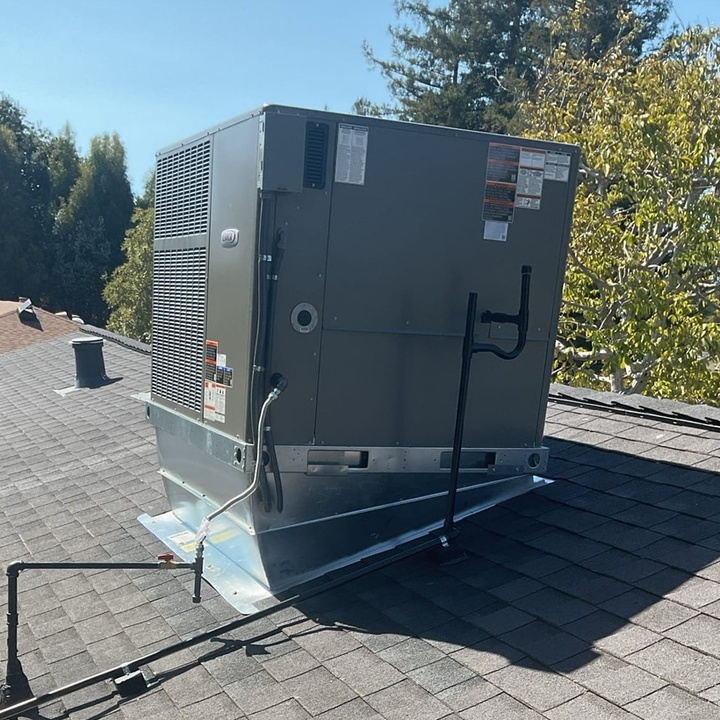
A new noise from your heating and cooling system can leave you wondering whether you need a small repair or a replacement. The sound alone does not answer that question.
The useful first step is a diagnosis: where the noise is coming from, when it happens, and what testing reveals.
Notice when the sound happens
Before your appointment, write down a few details:
- Does the noise start when the system turns on, continue while it runs, or happen as it shuts off?
- Can you hear it near an indoor vent, the indoor equipment, or the outdoor unit?
- Is it new, getting louder, or happening more often?
- Have you also noticed a change in airflow or comfort?
You do not need to identify the failed part. Your observations simply give the technician a clearer starting point, especially if the noise comes and goes.
If you can safely record it from a normal standing position, a short video may help. Leave equipment panels closed, keep clear of moving parts, and leave rooftop access to a professional.
Ask what supports the recommendation
Humming and rattling are descriptions, not diagnoses. Different problems can produce similar sounds, so a recommendation should be based on more than the noise itself.
Before approving work, ask:
- What did you find?
- What testing supports that conclusion?
- Is a repair a reasonable option?
- If replacement is recommended, why is it preferable to repair in this situation?
A useful explanation connects the finding to the proposed work and makes the alternatives clear.
Know when not to wait
If the noise comes with smoke, a burning smell, or repeated breaker trips, stop using the system and seek professional help. Do not keep resetting a breaker or restarting equipment to see whether the problem disappears. For an immediate fire hazard, leave the area and contact emergency services.
Start with answers, not assumptions
A new sound deserves attention, but it should not force you into a replacement decision before the problem is understood.
Hearing something unusual? Contact Art of Comfort to schedule a diagnostic visit and understand your options.
