Is a Refrigerant (Freon) Leak Dangerous? What Pleasanton Homeowners Should Know
A small refrigerant leak might not seem urgent — your AC is still running, just not as well. But left unaddressed, a freon leak can affect your health, damage your HVAC system, and put your home at risk. At Art of Comfort, we help Pleasanton and Tri-Valley homeowners understand exactly what's happening inside their equipment — and what to do about it.
What Is Refrigerant and Why Does It Matter?
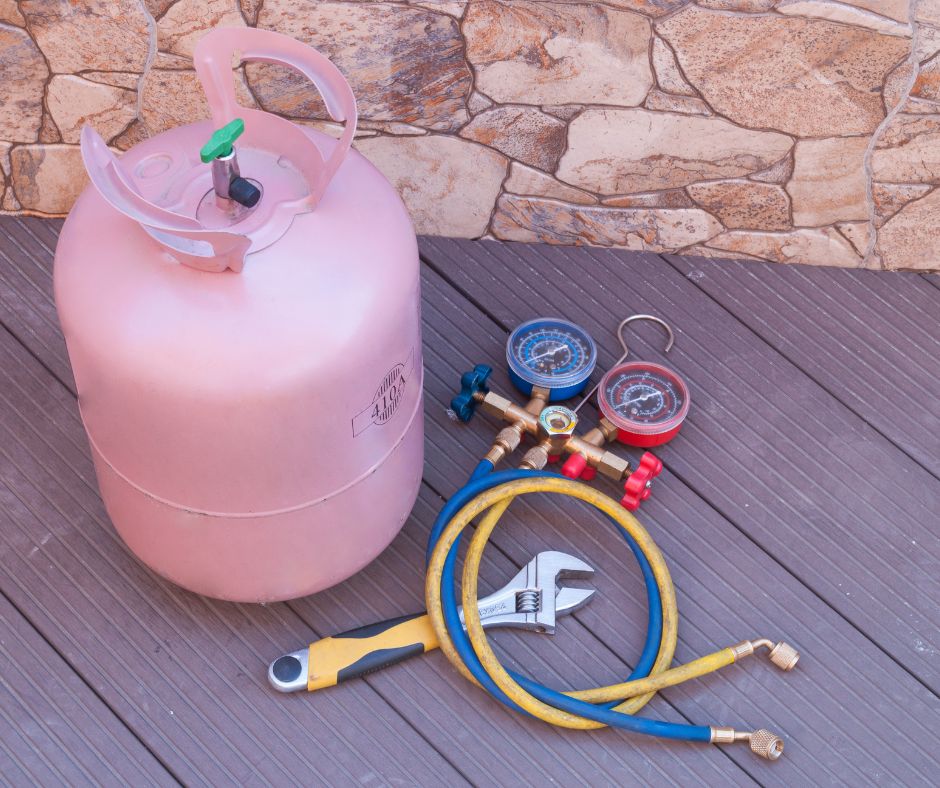
Refrigerant is the chemical that makes your air conditioner work. It absorbs heat from inside your home and releases it outside in a continuous cycle. Common types include R-22 (Freon), R-410A, and newer blends like R-32 and R-454B.
When refrigerant leaks, that cycle breaks down. Your AC works harder, cools less effectively, and your energy bills climb. But the bigger concern is what the leak means for your health and home.
Is a Refrigerant Leak Dangerous?
Yes — refrigerant leaks can be dangerous, though the severity depends on the size of the leak, the type of refrigerant, and how long you're exposed.
Health Effects of Freon Exposure
Refrigerant is not meant to be inhaled. Short-term exposure to freon or other refrigerant gases can cause:
- Headaches and dizziness
- Nausea or vomiting
- Throat and eye irritation
- Shortness of breath
- Skin or eye burns from direct contact with liquid refrigerant
With prolonged or heavy exposure, symptoms can escalate to:
- Irregular heartbeat
- Loss of coordination
- Seizures
- Loss of consciousness
Children, elderly individuals, and pets are more vulnerable to the effects of refrigerant exposure. If anyone in your home is experiencing these symptoms and you suspect an AC leak, get fresh air immediately and call for service.
How Much Freon Is Dangerous?
There's no safe level of deliberate inhalation. Household AC systems hold relatively small amounts of refrigerant — typically under 10 pounds — so a slow leak in a well-ventilated space is unlikely to cause acute poisoning. However, a major leak in an enclosed space, like a basement mechanical room or tight attic, can displace oxygen and create a genuinely hazardous environment.
Environmental Concerns
Older refrigerants like R-22 (Freon) are known ozone-depleting substances. R-22 has been phased out under EPA regulations, which is one reason refrigerant handling requires EPA 608 certification. Releasing refrigerant into the atmosphere intentionally is a federal violation.
Signs You Have a Refrigerant Leak
Many refrigerant leaks go undetected until the AC starts underperforming. Watch for these warning signs:
- Warm or lukewarm air blowing from your vents when the AC is set to cool
- Hissing or bubbling sounds near the indoor or outdoor unit
- Ice buildup on the refrigerant lines or evaporator coil
- Unusually high electricity bills without a change in usage
- Visible oily residue around AC line connections or fittings
- Refrigerant leak smell — most refrigerants are odorless, but some blends have a faint sweet or chemical smell
If you notice a smell like sweet chemicals or something faintly like ether near your AC equipment, that's a signal worth taking seriously. One of the best ways to catch refrigerant issues early — before they turn into expensive repairs — is through regular HVAC maintenance. Annual tune-ups include refrigerant level checks and can surface small leaks before they escalate.
What to Do If You Suspect a Freon Leak
- Turn off your AC system at the thermostat and shut off power at the breaker if the smell is strong
- Open windows and doors to ventilate the space — get fresh air moving
- Don't try to repair it yourself — refrigerant handling requires EPA certification; DIY recharging is illegal and can cause further damage
- Call a licensed HVAC technician to inspect, locate, and repair the leak
Do not attempt to “top off” refrigerant without fixing the underlying leak. Adding refrigerant to a leaking system is a temporary patch that masks the problem and accelerates system damage.
How Art of Comfort Handles Refrigerant Leaks in Pleasanton
When you call us for a suspected refrigerant leak, here's what our process looks like:
- System inspection — we check refrigerant pressure levels and assess system performance
- Leak detection — using electronic leak detectors and UV dye to pinpoint the source
- Honest assessment — we tell you whether it's worth repairing or whether the system's age and condition make replacement more cost-effective
- Repair or replacement — we fix the leak at the source, replace refrigerant to the correct charge, and confirm the system is operating safely
- Documentation — we provide records of refrigerant use as required by EPA regulations
We serve Pleasanton, Dublin, San Ramon, Livermore, Danville, Walnut Creek, and surrounding Tri-Valley communities. If you're dealing with a suspected refrigerant leak, we offer free second opinions on major repairs — so you're never making a big decision without a second set of eyes.
How Much Does It Cost to Fix a Refrigerant Leak?
Repair costs vary depending on where the leak is and how much refrigerant needs to be replaced. Most homeowners pay between $200–$600 for a standard refrigerant leak repair. More complex leaks — in the evaporator coil or condenser — can run higher.
If your system uses R-22 (Freon), replacement refrigerant is significantly more expensive due to the phase-out. That cost often makes replacing an older R-22 system the smarter long-term choice — and many homeowners in that position take the opportunity to upgrade to a modern heat pump, which uses newer, environmentally-compliant refrigerant and may qualify for federal and state rebates.
We provide upfront pricing before any work begins. No surprises.
