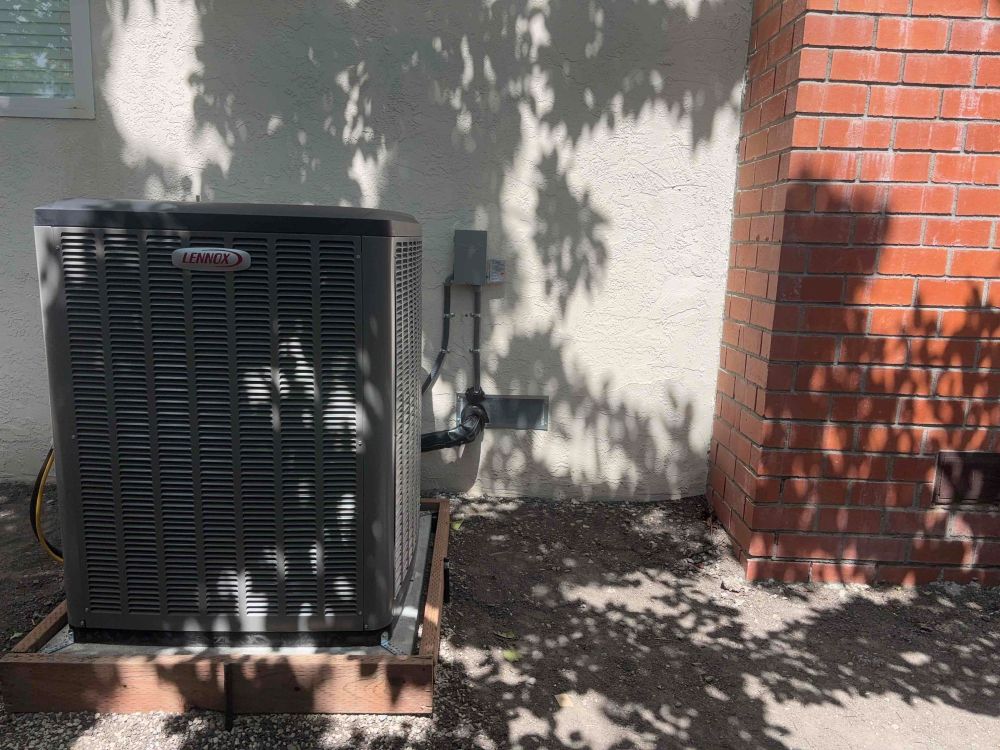
Single Stage vs. Variable Speed Heat Pump: What's the Difference and Which One Do You Need?
If you've started researching heat pumps for your Pleasanton or Tri-Valley home, you've probably run into the terms "single stage" and "variable speed" and wondered what they actually mean for your daily comfort and your monthly energy bill. The answer matters more than most homeowners realize, and it's one of the most common questions we get when helping people choose the right system.
This guide breaks down how each type works, what it costs, and how to figure out which one makes sense for your home.
How a Heat Pump Works (The Quick Version)
Before getting into the differences, it helps to understand what both systems have in common. A heat pump moves heat rather than generating it. In summer it pulls heat out of your home and releases it outside. In winter it pulls heat from the outdoor air and brings it inside. Because it's moving heat rather than burning fuel to create it, a heat pump is significantly more efficient than a traditional furnace and air conditioner running separately.
Both single stage and variable speed systems do this same job. The difference is in how they do it.
What Is a Single Stage Heat Pump?
A single stage heat pump operates at one speed: full power. When your thermostat calls for heating or cooling, the system turns on at 100% capacity and runs until it reaches the target temperature, then shuts off completely. Think of it like a light switch. It's either on or off.
This works, and for many homes it works fine. Single stage systems are simpler, less expensive to purchase and install, and have fewer components that can wear out over time.
The tradeoff is efficiency and comfort. Because the system only runs at full blast, it tends to overshoot the target temperature slightly before shutting off, then undershoot before cycling back on. In a well-insulated home on a mild day, this means the system turns on and off more frequently than necessary. That cycling uses more energy than running continuously at a lower output, and it can make temperatures feel slightly inconsistent throughout the day.
In the Tri-Valley, where summer temperatures regularly push into the triple digits and winter nights drop into the 30s, a single stage system will keep up. It just may not do it as gracefully or efficiently as the alternative.
What Is a Variable Speed Heat Pump?
A variable speed heat pump, sometimes called a variable capacity or inverter-driven system, can operate across a wide range of output levels rather than just on or off. On a mild spring day when your home only needs 30% of the system's capacity to stay comfortable, it runs at 30%. On a 104-degree July afternoon, it ramps up to whatever the conditions demand.
Think of it like a car's accelerator rather than a light switch. You have the full range available, but the system uses only what's needed at any given moment.
This has several real-world benefits for homeowners in Pleasanton, Dublin, San Ramon, and the rest of the Tri-Valley:
Consistent temperature throughout the day. Because the system runs longer cycles at lower output rather than short bursts at full power, the temperature in your home stays much closer to your set point. There's less of the "just got cold, now it's too warm" swing you can notice with single stage systems.
Lower energy bills over time. Variable speed systems are more efficient because they're doing less work to achieve the same result. The efficiency difference is most pronounced on mild days, which make up a large portion of the year in Northern California's climate.
Better humidity control. Longer run cycles at lower capacity give the system more time to remove humidity from the air. In Tri-Valley summers, when afternoon humidity can make even moderate temperatures uncomfortable, this is a real quality-of-life difference.
Quieter operation. At lower output levels, the system runs much more quietly than a single stage unit cycling on at full power. If your air handler or outdoor unit is near a bedroom or a home office, this is worth considering.
How the Costs Compare
Single stage heat pumps are less expensive upfront. Depending on the brand, efficiency rating, and home size, you'll typically pay $1,000 to $2,500 less for a single stage system than a comparable variable speed unit.
Variable speed systems cost more to purchase and install, but they tend to pay back the difference over time through lower monthly energy bills. How long that payback takes depends on how much you run your system, your current energy costs, and the efficiency difference between the two units you're comparing.
For most Tri-Valley homes where heating and cooling are running six or more months of the year, the payback period on a variable speed system is typically three to six years. After that, the ongoing savings go directly to your pocket.
There's another financial factor worth knowing: many variable speed heat pump systems qualify for PG&E rebates and federal tax credits through the Inflation Reduction Act. Depending on the system and your household income, federal credits alone can cover 30% of the installation cost, up to $2,000. That changes the upfront cost comparison significantly. When you schedule a free estimate with Art of Comfort, we'll walk through every rebate and incentive that applies to your specific situation before you make any decision.
What About Two Stage Systems?
You may also see "two stage" heat pumps in your research. These sit between single stage and variable speed. A two stage system operates at two output levels, typically around 65% and 100% capacity, rather than one. It's a meaningful improvement over single stage in terms of comfort and efficiency, at a price point below most variable speed systems.
For homeowners who want better performance than a basic single stage system but aren't ready to invest in a full variable speed unit, two stage is a solid middle ground. It's worth discussing as part of any system evaluation.
Which Type Is Right for Your Home?
There's no single right answer, which is why we never recommend a system without first seeing your home. Factors that influence the decision include:
Home size and layout. Larger homes, multi-story layouts, and open floor plans tend to benefit more from variable speed systems because maintaining consistent temperatures across more square footage is harder. Smaller, well-insulated homes may see less dramatic comfort differences between the two types.
How long you plan to stay in the home. If you're planning to sell within three or four years, the long-term energy savings of a variable speed system may not fully pay back before you move. If you're staying for ten or more years, the math usually favors the variable speed investment.
Your current system's condition. If you're replacing a system that's approaching the end of its life, it's worth evaluating the full picture. A new variable speed heat pump paired with routine maintenance can transform comfort and efficiency in a way that a direct swap to single stage can't match.
Budget and incentives. With federal tax credits and PG&E rebates, the real after-incentive cost of a variable speed system is often closer to a single stage than the sticker prices suggest. We'll run through the numbers honestly with you.
Climate. The Tri-Valley's climate is genuinely well-suited to variable speed heat pumps. Mild winters, long moderate springs and falls, and hot summers mean the system spends a large proportion of its operating hours at partial load, which is exactly where variable speed technology shines.
A Few Things to Know About Heat Pump Maintenance
Regardless of which type you choose, heat pumps perform best with consistent maintenance. Unlike a furnace that only runs in winter or an AC that only runs in summer, a heat pump runs year-round in both directions. That means twice-yearly service is the right standard, not once a year.
Our Maintenance Membership covers biannual tune-ups for heat pump systems, including refrigerant checks, coil cleaning, electrical component testing, and filter service. It also includes priority scheduling, which matters when your heat pump handles both summer cooling and winter heating and you can't afford to wait a week for a technician in either season.
Why Art of Comfort for Your Heat Pump Installation
We've been installing and servicing heat pumps throughout Pleasanton, Dublin, San Ramon, Danville, Walnut Creek, Livermore, and the surrounding Tri-Valley since 2012.
We're Diamond Certified, NATE-certified, and hold a BBB A+ rating. More practically, we give every homeowner a full in-home evaluation before recommending anything. We size systems properly using Manual J load calculations, not square footage guesses. We handle rebate documentation with you so you don't have to figure out the paperwork alone. And we offer free second opinions on any system recommendation you've received elsewhere.
If you've been thinking about a heat pump or you've already gotten a quote and want a second set of eyes on it, reach out to us! No pressure, no sales pitch. Just honest answers from a team that's been doing this work in your community for over a decade.
