Your heating and cooling system may be working fine today. That doesn't mean every component is in perfect condition.
A seasonal tune-up is an opportunity to check how the equipment is operating, identify wear or other concerns, and address maintenance needs before the busiest heating or cooling months.
But what should a tune-up actually include? And how often does your system need one?
Here's what Pleasanton and Tri-Valley homeowners should know.
What Is an HVAC Tune-Up?
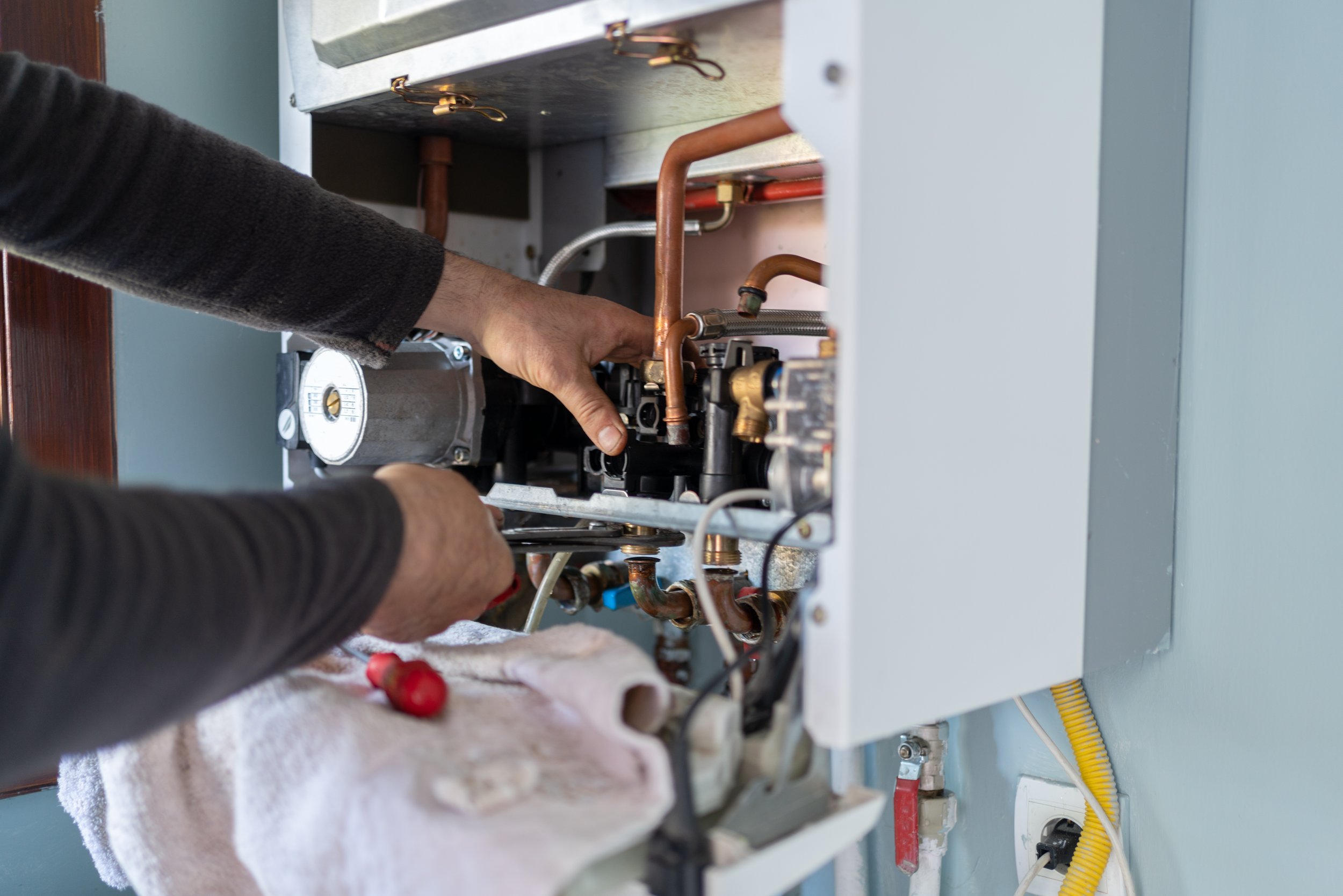
An HVAC tune-up is a planned maintenance visit for your air conditioner, furnace, heat pump, or other heating and cooling equipment.
During the visit, a technician reviews the system's operation and checks components relevant to that equipment.
The purpose is to identify maintenance needs and conditions that could affect performance, comfort, or safe operation.
A tune-up isn't the same as a diagnostic visit for equipment that has already stopped working. It also isn't a guarantee that your system will never break down.
The actual work depends on the equipment, its condition, and the maintenance service you've scheduled.
What's Included in an HVAC Tune-Up?
While no two systems are exactly alike, a professional maintenance visit may address several important areas.
Thermostat and System Operation
The technician may check whether the thermostat is communicating properly with the equipment and whether the system starts, operates, and shuts down as intended.
Unexpected cycling or inconsistent temperature control may indicate an issue requiring further evaluation.
Air Filters and Airflow
A dirty or overly restrictive filter can reduce airflow through your heating and cooling system.
During a maintenance visit, the technician may inspect the filter and review visible airflow concerns.
Filter replacement depends on the filter type, its condition, and what is included in the scheduled service.
Electrical Components and Controls
Heating and cooling equipment relies on electrical connections, motors, controls, and safety devices.
Depending on the system, a technician may inspect accessible connections and evaluate relevant operating conditions.
If a component shows signs of failure, the technician should explain whether further diagnosis or repair is recommended.
Coils and Condensate Drainage
Cooling systems and heat pumps use coils to transfer heat.
Dust and debris can interfere with that process. Condensate drainage problems can also contribute to water leaks or equipment shutdowns.
A maintenance visit may include inspecting these components and performing cleaning or servicing where appropriate and included in the approved scope.
Cooling-System Performance
For air conditioners and heat pumps, maintenance may include checking operating temperatures, airflow, and refrigerant-system performance.
Additional refrigerant diagnostics, leak detection, or repair may be recommended if the system shows signs of a problem.
Not every maintenance visit requires refrigerant adjustments, and refrigerant should not be added simply because a system is being serviced.
Heating-System Safety and Operation
Gas furnaces have different maintenance needs from electric heating equipment and heat pumps.
Depending on the system, a heating visit may include evaluating ignition, burners, venting, safety controls, and other accessible components.
If the technician identifies a potential safety issue, the appropriate next step may be a more detailed diagnostic evaluation rather than ordinary maintenance.
Heating vs. Cooling Tune-Ups: What's Different?
Air Conditioning Maintenance
Cooling-season maintenance focuses on how the system removes heat from your home.
The technician may evaluate cooling performance, airflow, electrical operation, coils, and drainage.
Furnace Maintenance
Heating-season maintenance focuses on reliable heating operation and relevant safety components.
For gas furnaces, this can include reviewing combustion-related equipment, ignition, venting, and safety controls.
Heat Pump Maintenance
Heat pumps provide both heating and cooling.
Because they operate in different modes throughout the year, their maintenance needs can vary by season and system configuration.
The maintenance schedule should reflect the manufacturer's recommendations and the equipment's actual operating conditions.
How Often Should You Schedule an HVAC Tune-Up?
A practical approach is to have your cooling equipment checked before summer and your heating equipment checked before winter.
ENERGY STAR recommends professional pre-season checkups as part of regular HVAC maintenance.
For homes with separate air conditioning and furnace systems, that often means a spring cooling visit and a fall heating visit.
Heat pump maintenance should account for its heating and cooling operation, manufacturer recommendations, and how heavily the equipment is used.
There's no need to assume every household requires exactly the same schedule.
If you're unsure, review your equipment manual or ask a qualified HVAC contractor.
Helpful reference: ENERGY STAR: Heating and Cooling Maintenance Checklist
How Much Does an HVAC Tune-Up Cost in Pleasanton?
Pricing depends on the equipment and the work included.
A visit for one conventional furnace may differ from maintenance on a multi-zone heat pump system or a home with several heating and cooling units.
Access to equipment, the maintenance scope, and any additional work can also affect the final cost.
Before booking, ask your contractor to explain:
- Which equipment is covered
- What the maintenance visit includes
- Whether filters or cleaning materials are included
- Whether diagnostic work or repairs are priced separately
- Whether additional systems have separate charges
At Art of Comfort, our team can explain current tune-up pricing and the applicable scope before scheduling.
Art of Comfort participates in AOC1, the home maintenance membership from AOC Home Services. The program connects heating and cooling maintenance, electrical inspections, and water heater care through three local companies.
Can HVAC Maintenance Save Money?
Regular maintenance can help equipment operate as intended and identify problems that might otherwise go unnoticed.
Dirty filters, restricted airflow, and neglected components can contribute to inefficient operation.
However, maintenance doesn't guarantee lower energy bills, eliminate breakdowns, or extend the life of every system by a particular number of years.
Your home's insulation, equipment condition, energy rates, thermostat settings, and usage also affect operating costs.
The value of maintenance is having a better understanding of your equipment and addressing appropriate service needs before they become more disruptive.
What Can You Do Between Professional Visits?
Homeowners can help maintain their HVAC systems with a few straightforward habits.
Check air filters regularly. Inspect filters according to manufacturer guidance, particularly during periods of heavy heating or cooling usage.
Keep supply and return vents clear. Avoid blocking airflow with furniture or other household items.
Keep outdoor equipment accessible. Remove loose debris from around outdoor units while maintaining the clearances recommended by the manufacturer.
Pay attention to changes. Unusual noises, new odors, weak airflow, or equipment that repeatedly shuts down deserve attention.
Avoid opening electrical or combustion compartments or attempting refrigerant work yourself.
When Do You Need Repair Instead of a Tune-Up?
If your air conditioner has stopped cooling or your furnace won't heat, the problem may require a diagnostic service visit rather than routine maintenance.
The same applies if you're experiencing repeated shutdowns, electrical problems, significant water leakage, or other equipment malfunctions.
A maintenance appointment is intended to review operating equipment. A diagnostic appointment is intended to identify why equipment isn't functioning correctly.
If a carbon monoxide alarm sounds, leave the building and call 911 from outside. Do not wait for a routine HVAC appointment.
What About Your HVAC Warranty?
Manufacturer warranties may have maintenance requirements, exclusions, and documentation provisions.
Check the written warranty terms for your specific equipment.
Keeping service records is a good practice because they can help document the equipment's maintenance history.
However, skipping one tune-up does not automatically mean every manufacturer warranty becomes void.
If you're concerned about your coverage, review the warranty and ask the manufacturer or contractor what documentation may be required.
Schedule HVAC Maintenance in Pleasanton & the Tri-Valley
Art of Comfort provides heating and cooling maintenance for homeowners in Pleasanton, Dublin, Livermore, Danville, San Ramon, Walnut Creek, and surrounding communities.
Whether your home uses a gas furnace, central air conditioner, or heat pump, our team can help you understand the appropriate maintenance options.
We'll explain the available service, pricing, and appointment options before you decide.
Call (925) 291-0871 or request HVAC maintenance online.
